At Emsworth Primary School it is our intent to deliver a high-quality history education that will help pupils gain a coherent knowledge and understanding of Britain’s past and that of the wider world. It should inspire pupils’ curiosity to know more about the past. We equip pupils to ask perceptive questions, think critically, weigh evidence, sift arguments, and develop perspective and judgement. History helps pupils to understand the complexity of people’s lives, the process of change, the diversity of societies and relationships between different groups, as well as their own identity and the challenges of their time.
The implementation of our curriculum is through an enquiry based approach and at Emsworth Primary School we employ the Hampshire ‘Six Step’ model in our enquiry led history curriculum. Teachers ensure that children are engaged in history though challenging enquiries that require the children to develop the use of their thinking skills to extend their own knowledge and understanding. Their ability to investigate, consider, reflect and review events of the past will enable them to develop a detailed understanding. The children are encouraged to use their understanding of change and continuity, similarity and difference, cause and effect, chronology and significance to interpret events and developments. They will ask and answer challenging historical questions that make links between events, developments, people and periods in the past.
Key stage 1 pupils will develop an awareness of the past, using common words and phrases relating to the passing of time. They will know where the people and events they study fit within a chronological framework and identify similarities and differences between ways of life in different periods. They will use a wide vocabulary of everyday historical terms. They will ask and answer questions, choosing and using parts of stories and other sources to show that they know and understand key features of events. They will understand some of the ways in which we find out about the past and identify different ways in which it is represented.
Key stage 2 pupils will continue to develop a chronologically secure knowledge and understanding of British, local and world history, establishing clear narratives within and across the periods they study. They will note connections, contrasts and trends over time and develop the appropriate use of historical terms. They will regularly address and sometimes devise historically valid questions about change, cause, similarity and difference, and significance. They will construct informed responses that involve thoughtful selection and organisation of relevant historical information. They will understand how our knowledge of the past is constructed from a range of sources.
| Autumn Term 1 | Autumn Term 2 | Spring Term 1 | Spring Term 2 | Summer Term 1 | Summer Term 2 | |
| Year 1 | Changes in living memory: Toys | Significant event beyond living memory: The Great Fire of London | Significant individuals: Queens Lives and Times | |||
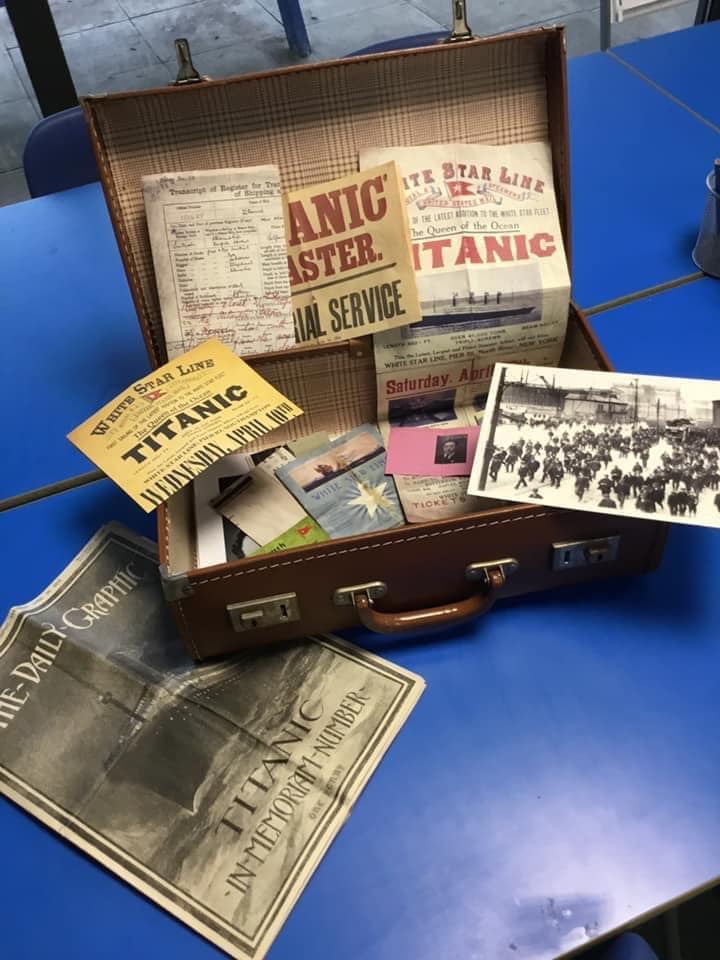
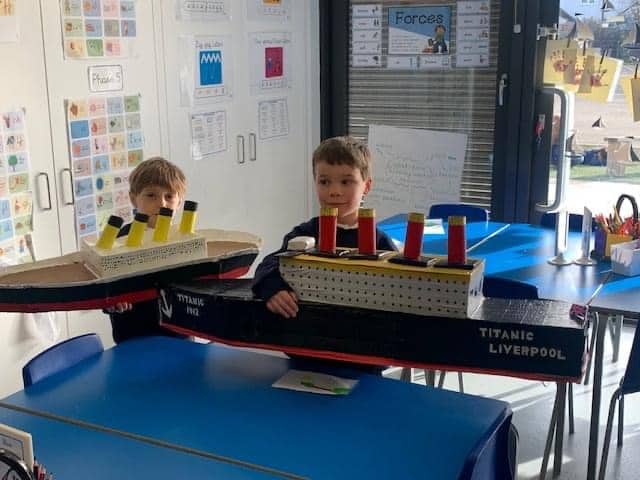
| Year 2 | Significant Individual: Neil Armstrong | Significant historical event: The sinking of the Titanic | People or places from the school’s locality: Castles | |||
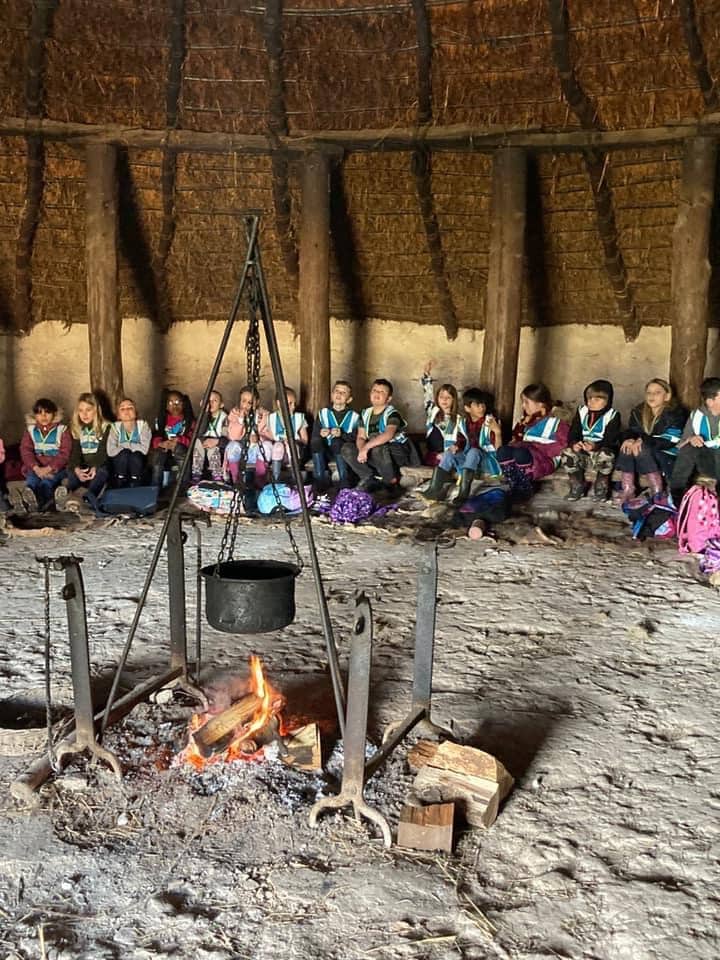
| Year 3 | Period of study: Changes in Britain from Stone and to Iron Age | Period of study: Changes in Britain from Stone and to Iron Age | Period of study: Roman Empire and the impact on Britain | |||
| Year 4 | Local Study: Changes in Portsmouth | Period of Study: The Viking and Anglo-Saxon struggle for the Kingdom of England Raiders or Traders? | Period of study: Britain’s settlement by Anglo-Saxons and Scots Was King Alfred Lucky or Great? | |||
| Year 5 | A study of an aspect or theme in British history that extends pupils’ chronological knowledge beyond 1066: Crime and Punishment | . | Period study: Achievements of the earliest civilizations: Egypt | |||
| Year 6 | Non-European society that provides contrasts with British history : The Maya | Period study: Ancient Greece – a study of Greek life and achievements and their influence on the western world |